In a landmark policy shift that has sent shockwaves through China’s glass manufacturing sector, the Chinese government has slashed export VAT rebates for all glass products to 0%, effective April 1, 2026. The abrupt elimination of rebates—previously ranging from 9% to 13%—has severely eroded the cost competitiveness of Chinese glass exporters, triggering significant disruptions to production, profit margins, and global supply chain dynamics across the industry.
Policy Background & Details
On January 8, 2026, the Ministry of Finance and State Taxation Administration jointly issued Announcement No. 2026-2, canceling VAT export rebates for 249 categories of goods, with glass products prominently included. The policy covers a comprehensive range of glass items, including:
- Flat glass, tempered glass, laminated glass, and insulating glass
- Glass containers (bottles, jars, ampoules) and tableware (stemware, kitchen glassware)
- Optical glass, laboratory glassware, and glass fiber products
- Decorative glass, mirrors, and specialty glass components
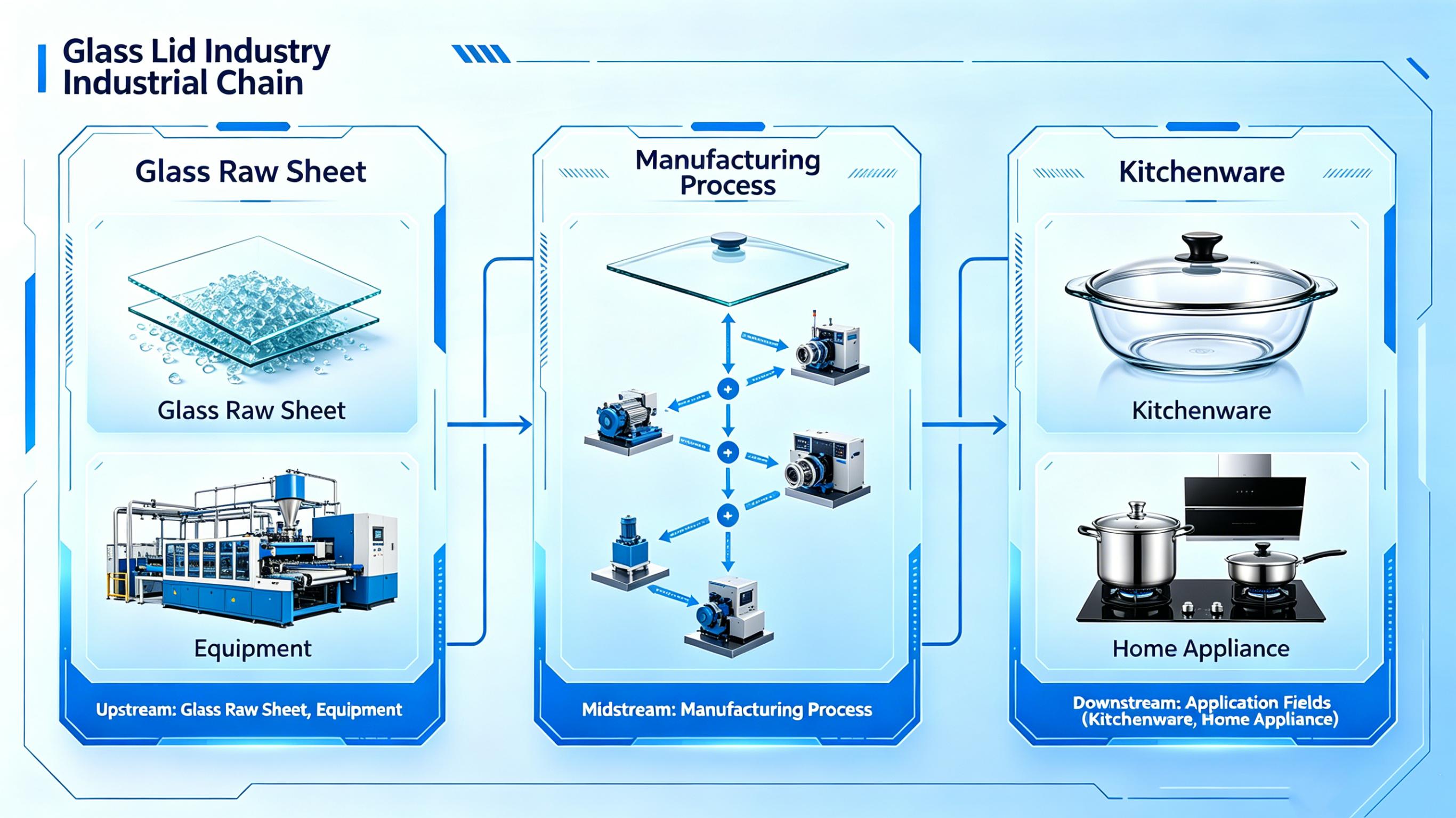
The adjustment took effect April 1, 2026, with no transition period. Shipments declared for export on or after this date receive zero tax refunds, while pre-April 1 exports remain eligible for the original rebate rates. This marks the first complete removal of export rebates for China’s glass industry, a sector that has long relied on such incentives to sustain global price competitiveness. It is a great challenge for glass lids suppliers.
Severe Impact on China’s Glass Industry
The immediate and far-reaching consequences of the rebate cut have dealt a heavy blow to glass manufacturers, particularly small and medium-sized enterprises (SMEs) reliant on export markets.
1. Skyrocketing Export Costs & Margin Collapse
With rebates eliminated, exporters face an overnight 9–13% increase in operational costs. For an industry already grappling with rising raw material, energy, and labor expenses, this has crushed profit margins—many SMEs now operate at break-even or a loss on existing orders. Large manufacturers, such as Fuyao Glass, have also warned of compressed profitability and potential price hikes for global buyers.
2. Order Cancellations & Global Market Share Risks
Chinese glass products, once known for unmatched affordability, have lost their price edge. Overseas importers—facing higher costs—are renegotiating prices, reducing order volumes, or shifting to alternative suppliers in Southeast Asia, Europe, or North America. Industry reports indicate a 20–30% drop in new export orders since April 1, 2026, with tableware and container glass segments hit hardest.
3. Production Cuts & Operational Disruptions
To mitigate losses, hundreds of glass factories—especially in major production hubs like Zhejiang, Shandong, and Guangdong—have scaled back production, suspended shifts, or temporarily closed facilities. The industry, which employs over 5 million workers, now faces rising unemployment risks and supply chain bottlenecks for global clients dependent on Chinese glass products.
4. Structural Challenges for SMEs
SMEs, which account for 70% of China’s glass export volume, lack the financial resilience of large corporations. Many cannot absorb cost increases or pass them to buyers, leading to a surge in business closures and bankruptcies. The policy has exacerbated industry polarization, favoring manufacturers with strong R&D, brand power, and domestic market focus.
Government’s Policy Rationale
Authorities frame the rebate removal as a strategic move to upgrade the industry, not merely a cost-cutting measure. Key objectives include:
- Discouraging low-value, price-driven competition and pushing firms toward high-quality, high-tech glass products (e.g., ultra-thin display glass, energy-efficient insulating glass)
- Reducing overcapacity in the traditional glass sector, which has long suffered from oversupply and price wars
- Aligning China’s trade policies with global fair trade norms, addressing long-standing complaints about subsidized exports
While the government emphasizes long-term industrial upgrading, the short-term pain for exporters is undeniable, with many arguing the policy was introduced too abruptly without adequate support mechanisms.
Industry Responses & Adaptation Strategies
Faced with existential challenges, Chinese glass manufacturers are adopting urgent and long-term adaptation measures:
- Price Adjustments & Client Negotiations: Most exporters have raised prices by 8–12% to offset lost rebates, with mixed success in retaining overseas clients.
- Cost Optimization: Factories are cutting non-essential spending, improving production efficiency, and negotiating better terms with raw material suppliers.
- Market Diversification: Firms are shifting focus to domestic demand and emerging markets (e.g., the Middle East, Latin America) to reduce reliance on traditional Western markets.
- Product Upgrading: Investment in sustainable, high-value glass (e.g., recycled glass, smart glass) is accelerating to attract premium buyers and justify higher prices.
- Policy Advocacy: Industry associations are lobbying the government for targeted support, such as tax breaks for R&D or low-interest loans for SMEs.
Post time: May-25-2026