As modern kitchens increasingly prioritize space-saving, versatility, and safety, traditional detachable cookware handles with stainless steel (SS) connections remain a staple in both home and commercial culinary spaces. While the detachable design offers unparalleled convenience—from easy storage to seamless stovetop-to-oven transitions—the manufacturing process requires rigorous attention to detail to ensure durability, safety, and user satisfaction. Industry experts highlight the core focus areas that define high-quality production of these essential cookware components.
Stainless steel connections are the backbone of traditional detachable handles, as they must withstand repeated attachment and detachment, high cooking temperatures, and the weight of full cookware. “The SS connect is non-negotiable for longevity and safety,” says a senior engineer at a leading cookware manufacturing firm. “Unlike plastic or aluminum connections, stainless steel offers superior corrosion resistance, heat resistance, and structural strength—critical for a component that bridges the cookware body and the user’s grip.”
Core Manufacturing Priorities for Traditional Detachable Handles with SS Connect
1. High-Grade Stainless Steel Material Selection
The foundation of a reliable SS connect starts with material quality. Manufacturers prioritize food-grade stainless steel alloys, typically 18/8 or 304 stainless steel, for their non-toxic properties, resistance to rust and corrosion, and ability to withstand temperatures up to 500°F (260°C)—compatible with both stovetop and oven use. Lower-grade stainless steel or mixed alloys can lead to premature wear, discoloration, or even connection failure over time, risking user safety. Additionally, the stainless steel must undergo thorough cleaning and surface treatment to remove contaminants, ensuring optimal adhesion and a smooth finish that resists dirt buildup.
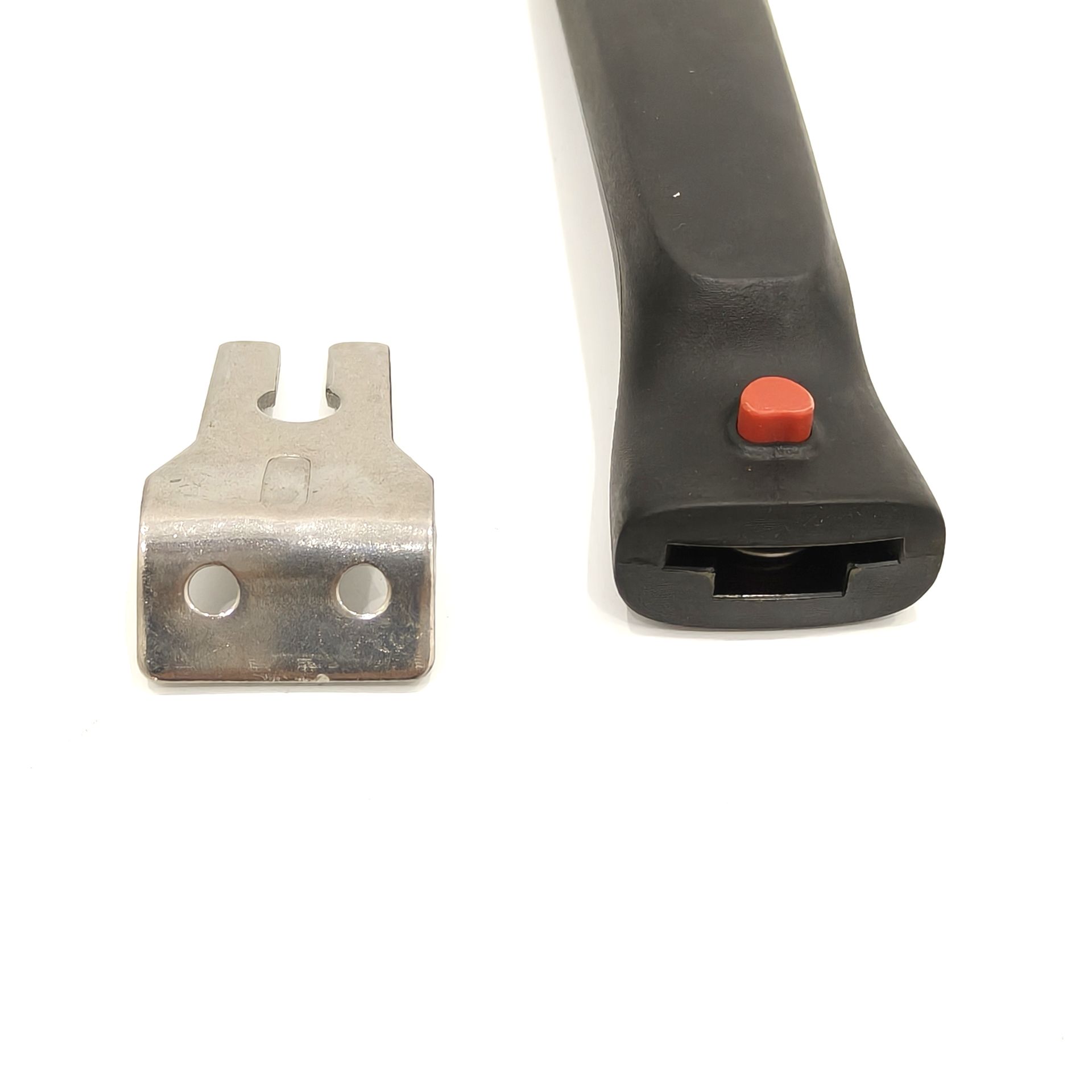
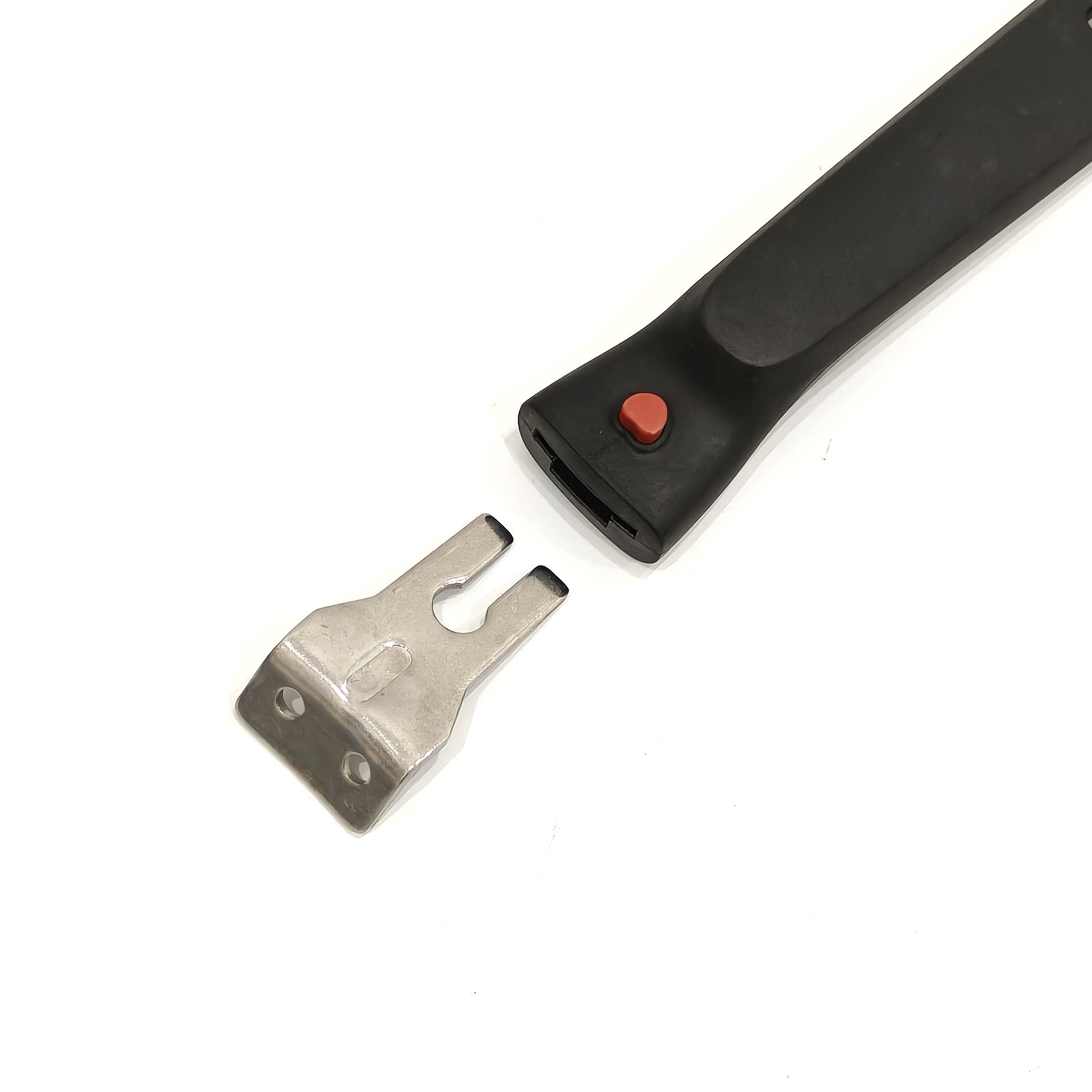
2. Precision SS Connection Engineering
The detachable mechanism’s functionality depends entirely on the precision of the stainless steel connection. Manufacturers must ensure a tight, secure fit between the handle and the cookware body, eliminating wobble or looseness that could cause spills or burns. This involves CNC machining for consistent thread patterns (for screw-on connections) or precision welding for seamless SS couplings. Welded SS connections, in particular, require TIG or MIG welding techniques to create a strong, gap-free bond that prevents food residue buildup and enhances durability—addressing a common pain point with riveted handles, which have crevices that trap dirt. For quick-release mechanisms, three-stage safety locks are often integrated to ensure 98% user satisfaction and prevent accidental detachment during use.
3. Heat Insulation and Ergonomic Design Integration
While the SS connect provides structural strength, it must work in tandem with heat-insulating materials to prevent burns. Traditional detachable handles often feature a stainless steel core with a heat-resistant grip (silicone, bakelite, or wooden) that acts as a thermal break. The SS connect must be designed to minimize heat transfer—hollow stainless steel cores or insulated couplings are common solutions, keeping the grip temperature below 120°F during stovetop use. Ergonomics is another critical factor: the handle’s arc, diameter (30–40 mm for optimal grip), and weight distribution must align with human hand anatomy to reduce muscle strain, even when lifting heavy, full cookware. A well-designed ergonomic handle can reduce muscle effort by up to 20%, minimizing repetitive strain injuries.
4. Rigorous Quality Control and Testing
Given the safety implications of cookware handles, manufacturers implement strict quality control (QC) protocols at every production stage. SS connections are tested for pull strength—ensuring they can withstand the weight of the cookware plus its contents without detachment. Heat resistance tests simulate prolonged stovetop and oven use to verify that the SS connect does not warp, discolor, or lose structural integrity. Additionally, durability tests involve 15,000+ attachment/detachment cycles to ensure the mechanism remains reliable over time. QC teams also inspect for surface imperfections, such as rough edges or uneven welds, which could compromise user safety or hygiene.
5. Compliance with Global Safety Standards
Traditional detachable handles with SS connections must meet international safety standards, including ASTM A 834-22, ISO 13724:2019, and EN 12983-1:2017, to be sold globally. These standards govern material safety, heat resistance, and structural integrity, ensuring that products are free from harmful substances (such as PFAS) and can withstand real-world cooking conditions. U.S. manufacturing standards, in particular, are among the strictest, requiring rigorous testing for durability and safety. Compliance not only protects consumers but also enhances brand credibility in competitive markets.
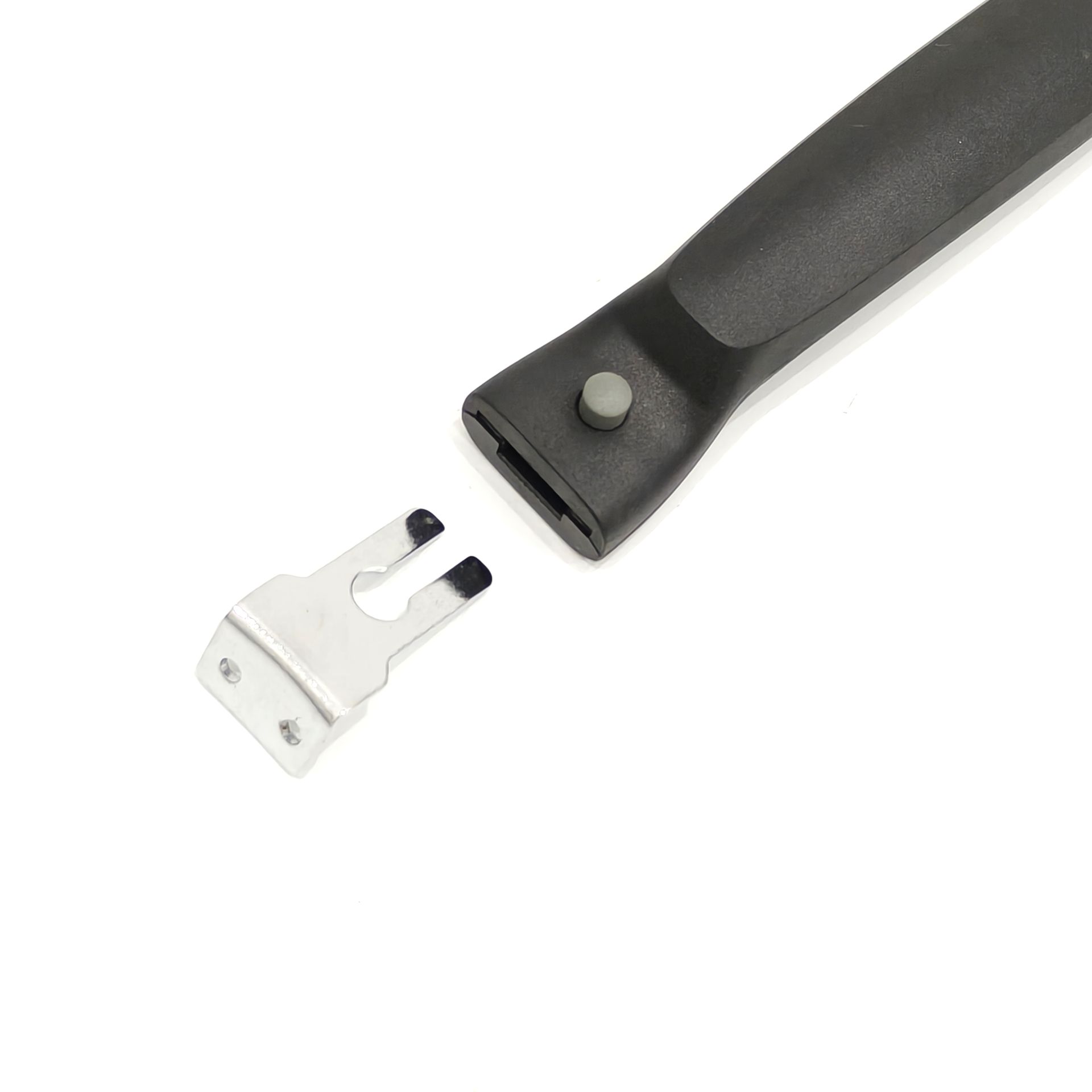
Market Demand Drives Manufacturing Excellence
The demand for traditional detachable cookware handles with SS connections continues to grow, fueled by small-space living trends, RV and mobile cooking needs, and consumer preference for versatile, easy-to-clean cookware. Detachable handles reduce storage space by up to 75% compared to fixed-handle designs, making them ideal for urban apartments, tiny homes, and RVs. Additionally, their ability to transition seamlessly from stovetop to oven simplifies one-pot meals, while the handle-free cookware body is easier to clean and dishwasher-safe—reducing cleaning time by a third.
“Manufacturers who prioritize these key points—material quality, precision engineering, heat insulation, QC, and compliance—will stand out in a market where safety and functionality are non-negotiable,” notes an industry analyst. “As consumers become more educated about cookware construction, the demand for well-made traditional detachable handles with reliable SS connections will only increase.”
For cookware brands and manufacturers, focusing on these core manufacturing principles ensures that traditional detachable handles with SS connections deliver the durability, safety, and convenience that modern consumers expect—solidifying their place as a timeless kitchen essential.
Keywords: traditional detachable handle, SS connect manufacturing, cookware handle production, stainless steel cookware handle, detachable cookware handle safety, cookware handle manufacturing points
Post time: May-15-2026