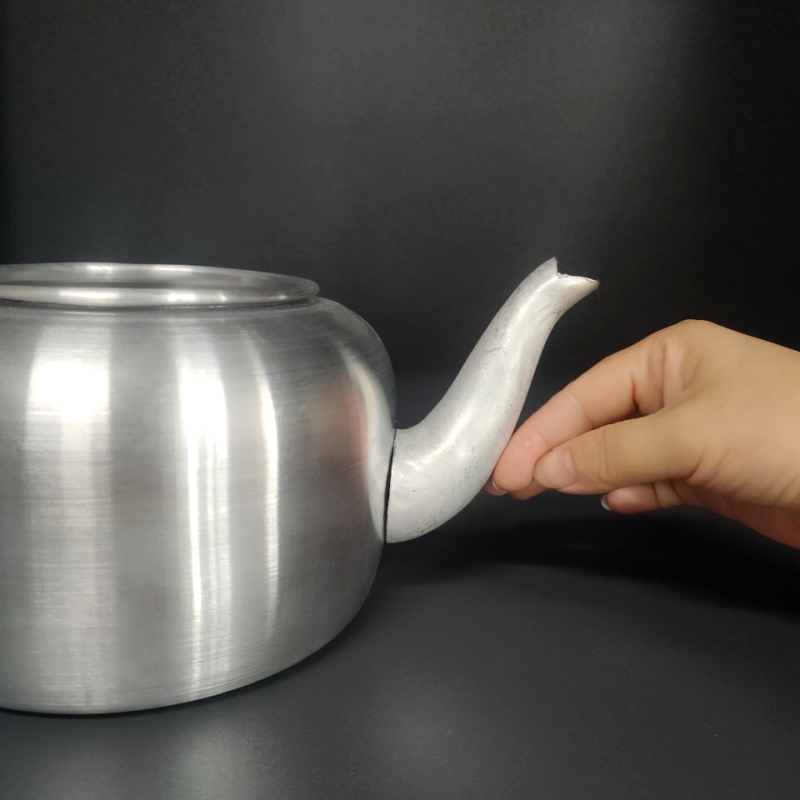
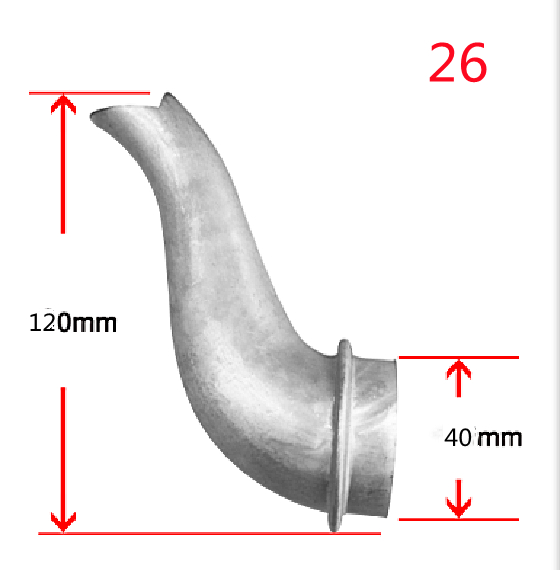
Essential aluminum kettle spare parts for 2025 factory production include advanced heating elements, precision thermostats, and robust power cords. Manufacturers also need ergonomic handles, durable lids, and high-performance sealing gaskets. These crucial kettle parts optimize durability, safety, and smart integration. A quality cast kettle spout and a reliable tea kettle mouth with a spout filter are vital kettle spare parts.
Key Takeaways
- High-quality kettle spare parts are important. They make production efficient and products last longer. This helps factories save money and keep customers happy.
- Modern kettles use advanced parts. These include smart heating elements and precise temperature controls. These parts make kettles work better and use less energy.
- Factories must manage spare parts well. They need good suppliers and trained workers. This helps avoid delays and keeps production running smoothly.
The Evolving Landscape of Kettle Spare Parts Production
Minimizing Downtime and Maximizing Profitability
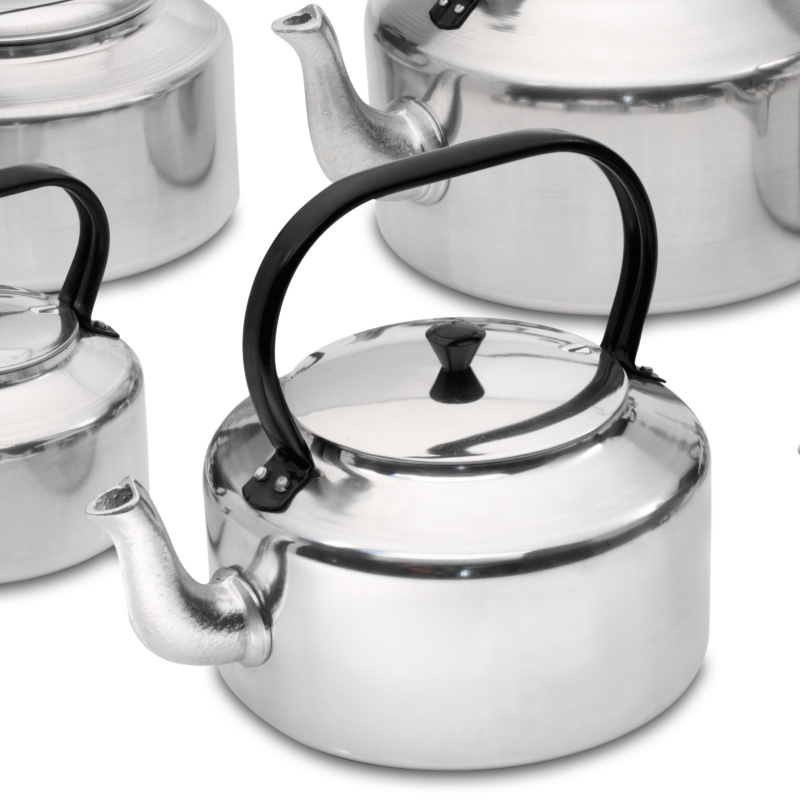
Manufacturers prioritize efficient production lines. Minimizing downtime directly impacts profitability. A robust supply chain for kettle spare parts ensures quick replacements, preventing costly interruptions. Factories achieve maximum output when they have immediate access to essential components. This proactive approach safeguards production schedules and maintains consistent product availability.
Ensuring Quality and Product Longevity
High-quality spare parts are fundamental for product reliability and customer satisfaction. Product safety certification marks, such as ETL Sanitation Listed NSF compliant, are crucial for these components. These marks confirm independent, third-party testing for mandatory safety and sanitation standards. Manufacturers with these certifications also undergo random follow-up inspections, guaranteeing consistent production quality. The ETL Listed Mark, for example, demonstrates adherence to strict safety standards. Additionally, regional safety standards like UL (North America), CE (Europe), and BIS (India) apply. Broader compliance requirements include RoHS (Restriction of Hazardous Substances) and REACH (Registration, Evaluation, Authorisation and Restriction of Chemicals). ISO 9001 certification further ensures robust quality assurance processes in suppliers.
Meeting Demands for Sustainability and Repairability
The industry faces increasing pressure to adopt sustainable practices and offer repairable products. Regulatory requirements, such as the Food Safety Modernization Act (FSMA), mandate stricter hygiene and sanitation for kettle design. Kettles now feature sanitary welds and seamless surfaces to prevent bacteria, minimizing cross-contamination risks. Energy efficiency standards, like ENERGY STAR certifications, require rigorous testing. Agencies like the EPA set environmental sustainability standards, encouraging eco-friendly features. Consumers also drive this shift; 80% express a desire for repairable goods. This strong preference extends to appliances like kettles. The success of products like Suri’s recyclable toothbrush and the attention given to Gabriel Kay’s repairable kettle design, Osiris, highlight a growing market for such items.
Essential Aluminum Kettle Spare Parts for 2025
Advanced Heating Elements for Efficiency
Modern kettle manufacturing demands highly efficient heating elements. These components directly influence a kettle’s speed and energy consumption. Factories now prioritize elements that offer rapid heating and consistent performance.
- Thick film heating elements efficiently and rapidly spread heat. Their thin profiles and materials like silicon carbide and nickel chromium contribute to sleek designs and high thermal performance.
- Ceramic heating elements operate at high temperatures and offer impressive thermal resistance. These elements provide durability for prolonged use.
- Flexible heaters, often made from silicone rubber, allow for variable temperature settings and precise control. They ensure uniform heat distribution for consistent results.
- Resistance wire technology utilizes stainless steel and robust alloys. This technology provides effective electrical resistance for optimized watt density.
- Open coil heaters feature improved safety and efficiency through strategic housing of heating elements.
- Temperature coefficient of resistance technology efficiently balances temperature levels and electrical current. This significantly reduces energy waste during the heating process.
Most standard electric kettles, including modern and efficient designs, typically have power ratings ranging from 1.5 kW to 2.5 kW. These advanced elements help achieve such ratings while minimizing energy use.
Precision Thermostats and Temperature Sensors
Accurate temperature control is vital for user experience and safety. Precision thermostats and temperature sensors ensure water heats to the desired level and prevents overheating. These components are critical for specialized applications, such as brewing different types of tea or preparing baby formula.
- High-end kettles, especially those for tea enthusiasts or baby care, often require thermostats to maintain temperatures within ±1°C.
- Modern touch-control keep-warm kettles, particularly high-end models, typically maintain water temperature with a margin of error of ±2°C.
These tight tolerances ensure optimal beverage preparation and user satisfaction.
Robust Power Cords and Connectors
Power cords and connectors are fundamental for kettle safety and functionality. They must withstand repeated use and meet stringent safety standards. Manufacturers select components that guarantee reliable electrical connections and prevent hazards.
IEC 60320 standards define the mechanical, electrical, and thermal requirements for appliance couplers, including those used for kettles. These standards apply to couplers with a rated voltage not exceeding 250 V (a.c.) at 50 Hz or 60 Hz, and a rated current not exceeding 16 A. Specific sub-parts of IEC 60320 address protection ratings and appliance-specific requirements. The selection of a coupler is partly based on IEC appliance classes. This ensures connectors with lower ratings cannot be inserted into inlets requiring higher ratings.
North American rating agencies certify IEC 60320 connectors:
- CSA (Canadian Standards Association)
- NOM-ANCE (Norma Oficial Mexicana)
- UL (Underwriters Laboratories)
These certifications confirm the components meet rigorous safety benchmarks. Different connector types also have specific temperature ratings:
| Connector Type | Rated Temperature |
|---|---|
| C13/C14 | 70 °C (158 °F) |
| C15/C16 | 120 °C (248 °F) |
Ergonomic Handles and Durable Lids
User comfort and product longevity depend heavily on handle and lid design. Ergonomic handles enhance usability, while durable lids ensure safety and maintain heat. These kettle spare parts contribute significantly to the overall user experience.
Handle design principles focus on user interaction:
- Handles provide comfort, quality, and safety for everyday use.
- The size, shape, and weight of the handle significantly influence the consumer’s perceived quality of the product.
- Optimal dimensions and proportions are crucial for handle design.
- Handles avoid discomfort or injury from sharp or uncomfortable edges.
Strategic placement also improves ergonomics:
- Locating the handle on the side of the kettle, rather than across the top, provides a more ergonomic position for pouring.
- Integrating the handle with a high-temperature plastic cover offers insulation against heat loss after the water is heated.
For lids, material choice impacts durability and safety. Tempered glass cooking lids offer a perfect blend of durability, safety, and practicality. They withstand high temperatures and resist impact. Stainless steel has a high melting point (over 2500°F) and can withstand extreme oven temperatures. While tempered glass typically peaks at lower temperatures, it offers visibility, unlike opaque stainless steel. The knob on tempered glass lids might limit its overall heat tolerance to around 350°F, but this is often sufficient for kettle use.
| Factor | Tempered Glass | Ordinary Glass |
|---|---|---|
| Durability | Resists cracks, scratches, impacts | Easily chips or cracks |
| Thermal Shock Resistance | Handles rapid temperature changes | Likely to shatter under thermal stress |
| Heat Tolerance | Up to 300°C (572°F) | Up to 200°C (392°F) |
| Common Uses | Oven-safe cookware lids, stovetop pans, high-traffic kitchen tools, preferred for steam-heavy appliances like tea kettles | May degrade over time due to steam exposure |
| Safety | Shatters into harmless granules | Breaks into sharp shards |
High-Performance Sealing Gaskets
Sealing gaskets play a crucial role in preventing leaks and maintaining thermal efficiency. High-performance gaskets ensure a tight seal between components, enhancing safety and prolonging the kettle’s lifespan. They must withstand high temperatures and repeated exposure to steam without degrading. Quality gaskets prevent steam from escaping, which helps the kettle reach boiling point faster and reduces energy waste.
Smart Control Boards and User Interfaces
The integration of smart technology transforms modern kettles. Smart control boards and intuitive user interfaces offer enhanced functionality and convenience. These components enable advanced features that cater to contemporary consumer demands.
Smart kettles offer numerous features:
- Remote Control: Smart kettles connect to the internet via Wi-Fi. This enables control and tracking through a mobile app. Users adjust temperature, start boiling, and schedule operations remotely.
- Economical Energy Consumption: Many models heat only the required amount of water. They include a keep-warm function to maintain temperature without reheating, contributing to energy efficiency.
- Safety Features: These devices include automatic shut-off functions. They activate when water boils or if the kettle is empty, preventing overheating and potential fire hazards.
- Convenience: Users regulate water temperature and set predetermined turn-on times, saving time and effort.
- Setting the Temperature & Operate Mode: Smart kettles offer accurate temperature control, often with a range like 25 to 100 °C. They may include multiple operating modes for different types of beverages.
- Energy Efficiency: Smart devices consume less power and boil water faster than traditional models, leading to savings on electricity bills.
Further control options enhance user interaction:
- Control Options (App and Voice Control): Smart kettles are controlled remotely via smartphone apps (e.g., Smart Life, Tuya) or voice assistants like Alexa, Google Assistant, or Siri. This allows users to turn the kettle on/off, set schedules, and adjust temperature from a distance.
- Temperature Control and Preset Programs: Unlike standard kettles, smart kettles offer precise temperature control, typically ranging from 40°C to 100°C. They often include preset temperature options for various beverages (e.g., black tea, green tea, coffee, baby milk) and allow for adjustable temperature settings.
- Keep Warm Feature: This function maintains the water at a desired temperature for an extended period, often 30-120 minutes, eliminating the need to reboil.
- Safety Features: Smart kettles incorporate automatic shut-off mechanisms, such as boil-dry protection (turns off if no water is detected) and auto shut-off (turns off after reaching desired temperature or set time), to prevent overheating and accidents.
A good user interface (UI) design for a smart kettle includes clearly marked temperature controls and an easily accessible water filling mechanism. This contributes to an overall positive user experience (UX) that also considers the feel of the handle, the sound, and the aesthetic.
Effective UI design principles include:
- Intuitiveness: Products operate seamlessly without extensive manuals, leveraging familiar processes.
- Personalization: Adapt to user preferences and needs through AI and data insights.
- Connectivity: Integrate with smart ecosystems, allowing unified control across devices.
- Sustainability: Promote eco-friendly practices like energy efficiency and waste reduction.
- Accessibility: Ensure usability for all demographics, including the elderly and non-tech-savvy individuals.
Specific UI features enhance usability:
- Custom temperature settings offer presets for specific beverages like green tea, coffee, or baby formula.
- Voice activation integrates with virtual assistants for commands like “Boil water to 90°C.”
- Real-time monitoring notifies users through their phones or voice assistants when the water is ready or the kettle needs cleaning.
- Sustainability focus includes features that measure water usage and recommend energy-saving tips.
A well-designed kettle demonstrates peak usability when its features, such as a comfortable handle, an easily opening lid, a spill-free spout, and an obvious ‘on’ switch, clearly communicate its function without the need for a manual.
Post time: Dec-10-2025