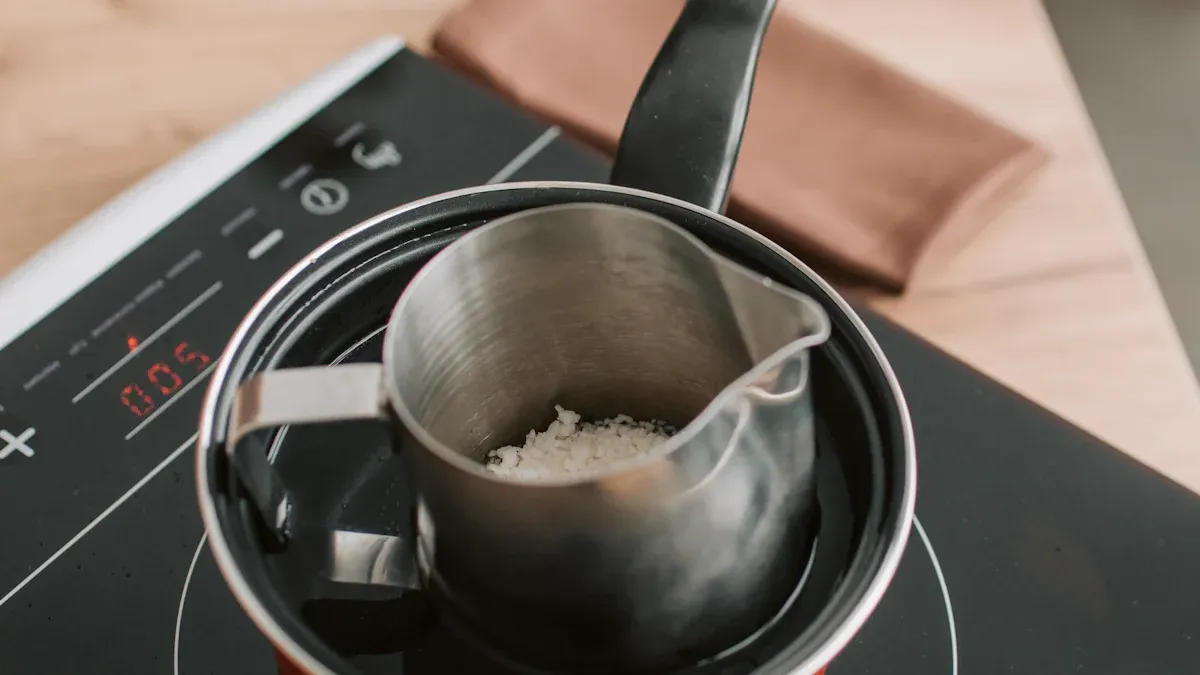
Customizing an induction disk for aluminum cookware helps you achieve better cooking results. Compatibility matters greatly. When your cookware works well with the induction disk bottom, it leads to efficient heating. Using an induction disk allows you to enjoy faster cooking and improved energy efficiency.
Key Takeaways
- Choose the right type of induction disk. Magnetic disks heat efficiently and are ideal for aluminum cookware.
- Ensure proper size and shape for your induction disk. A good fit prevents hot spots and promotes even cooking.
- Follow installation and cooking tips. Clean surfaces, monitor heat, and avoid overcrowding for the best results.
Types of Induction Disks
 Magnetic vs. Non-Magnetic Disks
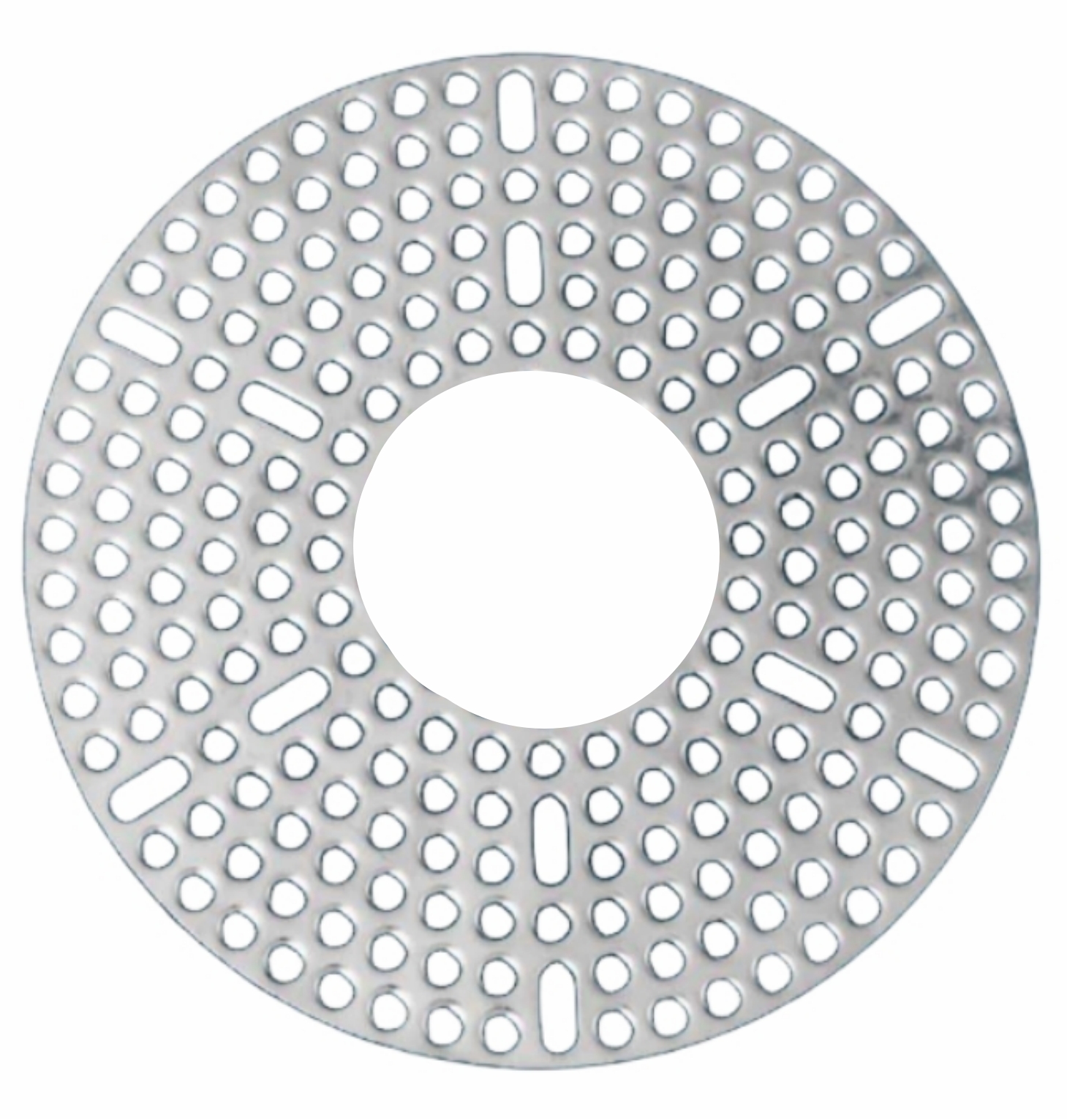
When choosing an induction disk, you will encounter two main types: magnetic and non-magnetic disks. Understanding the differences between them is crucial for effective cooking.
- Magnetic Disks: These disks contain materials that attract magnets. They work well with induction cooktops because they generate heat through magnetic fields. If you use a magnetic induction disk, it will heat up quickly and efficiently. This type is ideal for aluminum cookware, as it allows for better heat distribution.
- Non-Magnetic Disks: These disks do not contain magnetic materials. They may not heat as effectively on induction cooktops. However, they can still serve as a buffer between your cookware and the cooktop. If you choose a non-magnetic disk, ensure it has a flat surface to maximize contact with the induction disk bottom.
Size and Shape Considerations
Selecting the right size and shape for your induction disk is essential. Here are some factors to consider:
- Diameter: Measure the bottom of your aluminum cookware. The induction disk should match or slightly exceed this diameter. A proper fit ensures even heating and prevents hot spots.
- Shape: Most induction disks come in round shapes, but some may offer square or rectangular options. Choose a shape that complements your cookware. A mismatched shape can lead to inefficient cooking.
- Thickness: Thicker disks may provide better heat retention. However, they can also take longer to heat up. Consider your cooking style when selecting the thickness.
By understanding the types of induction disks and their size and shape considerations, you can customize your cooking experience. This knowledge will help you achieve optimal results with your aluminum cookware.
Advantages of Using Induction Disks
Improved Cooking Efficiency
Using an induction disk significantly enhances your cooking efficiency. When you place your aluminum cookware on the induction disk bottom, it allows for rapid heat transfer. This means your food cooks faster, saving you time in the kitchen. You can expect to boil water or sear meats in a fraction of the time compared to traditional methods.
- Quick Heating: Induction disks heat up quickly, reducing waiting time.
- Even Cooking: They distribute heat evenly across the cookware, preventing hot spots.
- Energy Savings: Faster cooking translates to lower energy consumption, which is good for your wallet and the environment.
Versatility with Different Cookware
Induction disks offer versatility that expands your cooking options. You can use them with various types of cookware, not just aluminum. This flexibility allows you to experiment with different materials, such as glass or ceramic, that may not be induction-compatible on their own.
- Compatibility: Induction disks work with any cookware that has a flat bottom, making them a great addition to your kitchen.
- Multi-Purpose Use: You can use the same disk for multiple pots and pans, simplifying your cooking process.
- Adaptability: If you decide to switch to a different type of cookware, your induction disk remains useful.
By utilizing an induction disk, you can enjoy improved cooking efficiency and versatility with your cookware. This customization enhances your overall cooking experience.
How to Use an Induction Disk
Installation Process
Installing your induction disk is a straightforward process. Follow these steps to ensure proper setup:
- Clean the Cooktop: Start by cleaning the surface of your induction cooktop. Remove any debris or spills to ensure a smooth installation.
- Position the Disk: Place the induction disk on the cooktop. Make sure it sits flat and stable. The disk should cover the induction zone completely.
- Check Compatibility: Ensure that your aluminum cookware fits well on the induction disk bottom. The cookware should not hang over the edges of the disk.
- Turn on the Cooktop: Power on your induction cooktop. Select the desired heat setting. The induction disk will begin to heat up, transferring heat to your cookware.
- Monitor the Heat: Keep an eye on the cooking process. Adjust the heat as needed to achieve the desired cooking results.
Tip: Always refer to the manufacturer’s instructions for specific details about your induction disk and cooktop.
Cooking Tips for Best Results
To maximize your cooking experience with an induction disk, consider these helpful tips:
- Use Flat-Bottom Cookware: Ensure your aluminum cookware has a flat bottom. This design allows for better contact with the induction disk bottom, promoting even heating.
- Preheat the Disk: Allow the induction disk to preheat for a few minutes before adding your cookware. This step helps achieve optimal cooking temperatures quickly.
- Avoid Overcrowding: Do not overcrowd your cookware. Leave enough space for heat to circulate. This practice ensures even cooking and prevents food from steaming instead of frying.
- Experiment with Heat Settings: Different recipes may require different heat levels. Start with medium heat and adjust as necessary. You can always increase the heat if needed.
- Use Lids When Possible: Covering your pots and pans with lids can help retain heat and moisture. This method speeds up cooking times and enhances flavors.
By following these installation steps and cooking tips, you can effectively use your induction disk with aluminum cookware. This customization will lead to better cooking results and a more enjoyable kitchen experience.
Alternative Customization Methods
DIY Solutions
If you enjoy hands-on projects, consider customizing your induction disk yourself. Here are some DIY solutions:
- Add a Magnetic Layer: You can attach a magnetic sheet to the bottom of your aluminum cookware. This layer allows your cookware to work directly with induction cooktops. Make sure the sheet is thin enough to maintain stability.
- Use Heat-Resistant Adhesives: If you want to enhance the contact between your cookware and the induction disk, apply heat-resistant adhesive pads. These pads can help create a better seal, improving heat transfer.
- Create a Custom Disk: If you’re feeling creative, you can craft your own induction disk using materials like stainless steel. Cut the metal to size and ensure it has a flat surface for optimal contact.
Professional Modifications
If DIY isn’t your style, consider professional modifications. Here are some options:
- Consult a Cookware Specialist: Many kitchenware stores offer services to modify your cookware. They can add a magnetic base to your aluminum pots and pans, making them induction-compatible.
- Custom Fabrication: Some companies specialize in custom cookware. They can create induction-compatible aluminum cookware tailored to your needs. This option may be more expensive but ensures high-quality results.
- Upgrade Your Cookware: If modifications seem too complicated, consider investing in induction-ready aluminum cookware. This option saves you time and effort while ensuring compatibility.
By exploring these alternative customization methods, you can enhance your cooking experience with aluminum cookware and induction disks.
Safety Considerations
Heat Resistance and Material Safety
When using an induction disk, you must consider heat resistance and material safety. Induction disks typically consist of materials that can withstand high temperatures. Always check the manufacturer’s specifications to ensure the disk can handle the heat levels you plan to use.
- Material Quality: Choose disks made from high-quality stainless steel or other durable materials. These options resist warping and maintain their shape over time.
- Heat Tolerance: Ensure the disk can tolerate the maximum temperature of your induction cooktop. This step prevents damage to both the disk and your cookware.
Proper Handling and Maintenance
Proper handling and maintenance of your induction disk are crucial for safety and longevity. Follow these guidelines to keep your disk in good condition:
- Avoid Dropping: Handle the disk carefully. Dropping it can cause dents or warping, affecting its performance.
- Clean Regularly: After each use, clean the disk with warm, soapy water. Avoid abrasive cleaners that can scratch the surface.
- Store Safely: Store the disk in a dry place. Keep it away from heavy items that could crush or damage it.
Tip: Always allow the induction disk to cool before cleaning. This practice prevents burns and ensures safe handling.
By following these safety considerations, you can enjoy cooking with your induction disk while minimizing risks.
Practical Tips for Users
Choosing the Right Disk
Selecting the right induction disk can make a significant difference in your cooking experience. Here are some tips to help you choose wisely:
- Material Matters: Look for disks made from high-quality stainless steel. This material ensures durability and efficient heat transfer.
- Size is Key: Measure your cookware’s bottom diameter. Choose a disk that matches or slightly exceeds this size for optimal performance.
- Weight Consideration: Heavier disks often provide better stability. They resist warping and maintain even heat distribution.
Tip: Always check customer reviews before purchasing. Feedback from other users can guide you to the best options.
Troubleshooting Common Issues
Sometimes, you may encounter problems while using your induction disk. Here are solutions to common issues:
- Disk Not Heating: Ensure the disk is flat on the cooktop. Check that your cookware is compatible and has a flat bottom.
- Uneven Cooking: If you notice hot spots, verify that the disk covers the induction zone completely. Adjust the heat settings as needed.
- Cookware Slipping: If your cookware slides around, consider using a heavier disk or ensuring your cookware has a textured bottom for better grip.
Note: Regularly inspect your induction disk for scratches or damage. A damaged disk can affect cooking efficiency.
By following these practical tips, you can enhance your cooking experience with aluminum cookware and induction disks.
Ensuring Proper Contact with the Induction Disk Bottom
To achieve the best cooking results, you must ensure proper contact between your aluminum cookware and the induction disk bottom. Here are some steps to help you achieve this:
- Check the Flatness: Ensure that both the bottom of your cookware and the induction disk bottom are flat. A warped surface can prevent even heat distribution. You can use a ruler or a straight edge to check for any gaps.
- Clean Surfaces: Before cooking, clean both the induction disk bottom and the cookware. Remove any dust or grease. A clean surface promotes better contact and heat transfer.
- Use the Right Size: Choose an induction disk that matches the size of your cookware. If the disk is too small, it won’t cover the entire bottom of the pot or pan. This mismatch can lead to uneven cooking.
- Avoid Overheating: When using the induction disk, avoid setting the heat too high initially. Gradually increase the temperature to allow the disk and cookware to adjust. This practice helps maintain contact and prevents warping.
- Monitor Cooking: Keep an eye on your food as it cooks. If you notice uneven cooking, check the contact between the cookware and the induction disk bottom. Adjust the position if necessary.
By following these steps, you can ensure proper contact with the induction disk bottom. This attention to detail will enhance your cooking experience and lead to better results.
Customizing your induction disk enhances your cooking experience. Remember to prioritize safety and proper usage. Always check compatibility and maintain your equipment. Explore various options to maximize your cooking efficiency. With the right tools, you can enjoy delicious meals with ease!
FAQ
What is an induction disk?
An induction disk is a flat metal disk that allows non-magnetic cookware, like aluminum, to work on induction cooktops.
How do I clean my induction disk?
Clean your induction disk with warm, soapy water. Avoid abrasive cleaners to prevent scratches.
Can I use any cookware on an induction disk?
You can use any cookware with a flat bottom on an induction disk, as long as it fits properly.
Post time: Feb-05-2026