Cooking becomes simpler, safer, and more efficient when you have the right tools—and a high-quality cookware strainer lid is no exception. Whether you’re draining pasta, blanching vegetables, simmering soups, or steaming seafood, a well-chosen cookware strainer lid eliminates the need for a separate colander, reduces mess, and saves valuable time in the kitchen. But with so many options on the market—different materials, sizes, designs, and features—how do you pick the perfect one for your needs? This comprehensive guide will walk you through the key factors to consider when choosing a cookware strainer lid, ensuring you invest in a tool that enhances your cooking experience for years to come.
1. Understand the Types of Cookware Strainer Lid
First, familiarize yourself with the different types of cookware strainer lid available, as each is designed for specific cooking tasks and cookware styles. Knowing the differences will help you narrow down your options and match the lid to your habits.
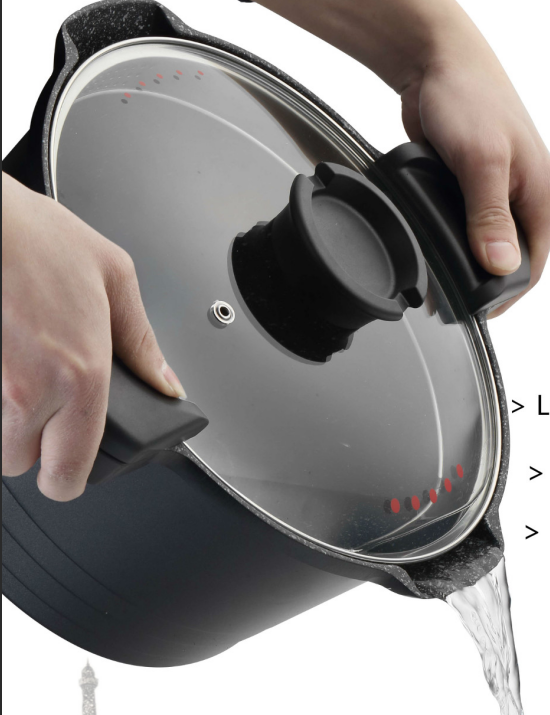
- Built-in Cookware Strainer Lid: This type is integrated directly into the pot or saucepan, meaning it’s designed to fit that specific piece of cookware perfectly. Built-in lids often have strainer holes along the rim or center, allowing you to drain liquids without removing the lid or transferring food. They’re ideal for everyday cooking tasks like boiling pasta or vegetables and are a great space-saving option since they eliminate the need for extra tools.
- Clip-On Cookware Strainer Lid: A versatile choice, clip-on lids attach to the edge of almost any pot or pan with adjustable clips. They’re perfect if you want a single lid that works with multiple pieces of cookware, as they fit various sizes. Clip-on lids are easy to remove and clean, making them a practical option for busy home cooks.
- Silicone Cookware Strainer Lid: Made from flexible, heat-resistant silicone, these lids are collapsible for easy storage and can fit a range of pot sizes. They’re non-toxic, food-grade, and gentle on non-stick cookware surfaces, making them a great choice for those with delicate cookware. Silicone lids often have dual-purpose strainer holes that also act as pour spouts for precise liquid dispensing.
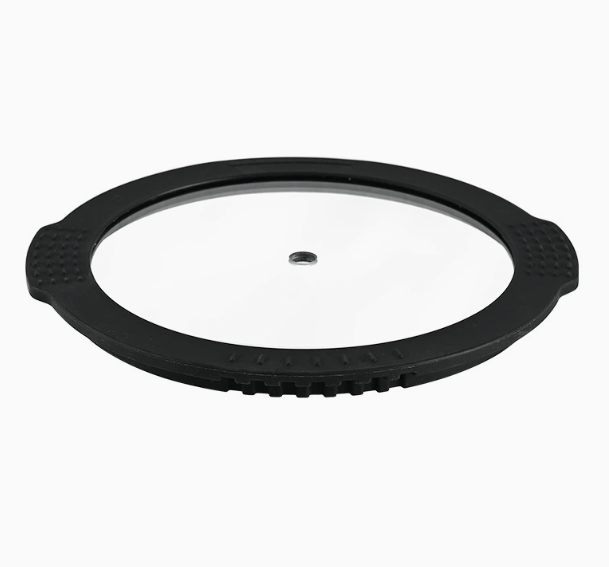
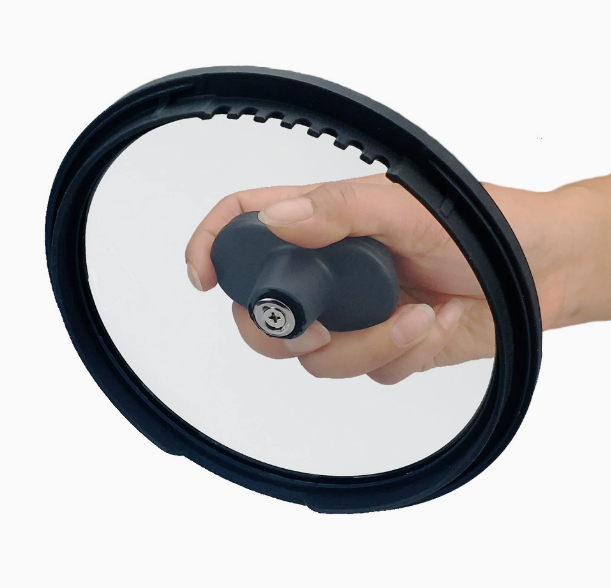
- Glass Cookware Strainer Lid: Featuring a tempered glass base with strainer holes and a silicone rim, these lids allow you to monitor cooking progress while straining. They’re heat-resistant, dishwasher-safe, and add a sleek, modern look to your kitchen. Glass lids are ideal for those who want to keep an eye on their food without lifting the lid and losing heat.
- Universal Cookware Strainer Lid: Designed to fit pots and pans of various sizes, universal lids often have adjustable handles or a flexible rim. They’re a cost-effective option if you don’t want to buy a separate lid for each piece of cookware, though they may not fit as snugly as built-in or specific-size lids.
2. Prioritize Material: Durability and Functionality
The material of your cookware strainer lid directly impacts its durability, heat resistance, and performance. Choose a material that aligns with your cooking style, cookware type, and long-term needs.
- Stainless Steel: The most popular choice for cookware strainer lid, stainless steel is durable, rust-resistant, and excellent at withstanding high temperatures. It’s easy to clean, dishwasher-safe, and non-reactive (meaning it won’t interact with acidic foods like tomatoes or citrus). Stainless steel lids are ideal for heavy-duty use and pair well with stainless steel, cast iron, or copper cookware. Look for 18/10 food-grade stainless steel for added quality and longevity.
- Silicone: Flexible and lightweight, silicone cookware strainer lid is perfect for non-stick cookware, as it won’t scratch the surface. It’s heat-resistant (typically up to 400°F/200°C), easy to clean, and collapsible for storage. However, silicone is less durable than stainless steel and may degrade over time with frequent high-heat use.
- Glass: Tempered glass cookware strainer lid is heat-resistant and allows you to see inside the pot without lifting the lid, which helps retain heat and moisture. The rim is usually made of silicone or stainless steel to create a tight seal. Glass lids are dishwasher-safe but can break if dropped, so they’re best for careful use.
- Plastic: Budget-friendly and lightweight, plastic cookware strainer lid is suitable for casual use but less durable than other materials. Look for BPA-free, food-grade plastic to ensure safety. Plastic lids are not ideal for high-heat cooking, as they may warp or melt, so they’re best for draining cool or warm liquids only.
3. Ensure a Snug, Secure Fit
A cookware strainer lid that doesn’t fit properly is useless—it will leak liquid, cause spills, and defeat the purpose of having a strainer. To ensure a secure fit:
- Measure Your Cookware: Before buying a cookware strainer lid, measure the diameter of your pots and pans (from the outer edge to the outer edge). Avoid guessing sizes, as even a small difference can result in a loose fit. For built-in lids, check the manufacturer’s specifications to ensure it matches your cookware model.
- Look for a Tight Seal: A good cookware strainer lid should create a tight seal around the pot’s rim to prevent liquid from leaking during straining. Silicone-rimmed lids are excellent for this, as the silicone conforms to the pot’s edge. For stainless steel lids, look for a slightly curved rim that fits snugly inside or on top of the pot.
- Avoid Universal Lids for Precision Tasks: While universal cookware strainer lid is convenient, they may not fit as tightly as lids designed for specific pot sizes. If you frequently cook tasks that require precise straining (like draining small pasta or delicate vegetables), opt for a lid that’s tailored to your cookware size.
4. Consider Strainer Hole Design
The size and placement of the strainer holes on your cookware strainer lid are crucial for functionality. The right hole design will prevent food from slipping through while allowing liquid to drain quickly.
- Hole Size: Small holes (1-2mm) are ideal for straining small foods like rice, quinoa, or minced vegetables, as they prevent tiny particles from escaping. Larger holes (3-5mm) work best for pasta, potatoes, or large vegetables, allowing liquid to drain faster without clogging. Some cookware strainer lid have dual-sized holes, offering versatility for different tasks.
- Hole Placement: Most strainer lids have holes along the rim, which allows you to tilt the pot and drain liquid without removing the lid. Some lids have holes in the center, which is useful for straining larger quantities of liquid. Look for holes that are evenly spaced to ensure consistent draining.
- Removable Strainer Insert: Some cookware strainer lid come with a removable stainless steel strainer insert, which allows you to use the lid as a regular lid when not straining. This added versatility is great for those who want a multi-functional tool.
Post time: May-09-2026