Steel teapot spouts generally offer superior durability compared to an Aluminum Teapot Spout. Steel’s inherent resistance to corrosion, denting, and deformation makes it a robust choice. A traditional kettle pot often features a strong kettle spout. This material ensures a kettle durable handle and a long-lasting Kettle spout teapot spout, enhancing overall product life.
Key Takeaways
- Steel teapot spouts are stronger than aluminum spouts. They resist dents and rust better.
- Steel spouts last longer because they handle heat changes well. They are also easy to clean.
- Aluminum spouts are lighter and cheaper. But they can get damaged and change tea flavor.
Understanding Teapot Spout Durability Factors
Corrosion Resistance
Corrosion significantly impacts a teapot spout’s lifespan. This process involves the gradual destruction of materials through chemical reactions with their environment. Water, especially when heated, can accelerate corrosion. Certain metals react more readily with oxygen and minerals present in water. A spout’s ability to resist rust and degradation directly affects its hygiene and appearance. Materials with superior corrosion resistance prevent unsightly stains and maintain structural integrity longer.
Mechanical Strength
Mechanical strength refers to a material’s ability to withstand external forces without deforming or breaking. Teapot spouts often encounter bumps or drops during daily use. A strong material resists dents, scratches, and bending. This property ensures the spout maintains its original shape and functionality over time. Materials with high mechanical strength offer greater resilience against physical damage, contributing to overall product longevity.
Thermal Stress
Teapot spouts experience frequent temperature fluctuations. Heating water causes the material to expand; cooling causes it to contract. This repeated expansion and contraction creates thermal stress. Over time, thermal stress can weaken a material’s structure. It may lead to micro-cracks or fatigue, compromising the spout’s integrity. Materials that handle these cycles well maintain their structural stability, preventing premature failure.
Cleaning and Maintenance Impact
Cleaning practices also influence spout durability. Abrasive cleaners or harsh chemicals can degrade a material’s surface finish. Improper cleaning can scratch or pit the spout, creating areas vulnerable to corrosion. Easy-to-clean materials promote better hygiene without requiring aggressive methods. Regular, appropriate maintenance extends the functional life of any teapot spout. An Aluminum Teapot Spout, for example, requires specific care to prevent surface damage and maintain its aesthetic.
Aluminum Teapot Spout Durability: Pros and Cons
Lightweight and Cost-Effective
Manufacturers often choose aluminum for its light weight. This characteristic makes teapots easier to handle. Aluminum also offers a cost-effective production solution. Its abundance and ease of shaping contribute to lower manufacturing expenses. These factors make an Aluminum Teapot Spout an attractive option for budget-conscious consumers.
Susceptibility to Oxidation and Pitting
Aluminum naturally forms an oxide layer when exposed to air. This layer provides some protection. However, this protective layer can break down over time. It becomes particularly vulnerable in certain environments. This breakdown leads to oxidation and pitting corrosion. Pitting creates small, localized holes on the surface. These imperfections compromise the spout’s appearance and can weaken its structure.
Vulnerability to Dents and Scratches
Aluminum is a softer metal compared to steel. This softness makes an Aluminum Teapot Spout more susceptible to physical damage. It dents and scratches easily from impacts or abrasive cleaning. Such damage not only affects the teapot’s aesthetic but also creates areas where corrosion can initiate.
Impact of Acidic Beverages
Acidic liquids can significantly degrade aluminum. Highly acidic beverages accelerate the breakdown of aluminum’s surface. For example, beers with a pH below 4.2, like fruited sours, can degrade can linings. This degradation releases compounds and causes a metallic taste. This observation suggests that highly acidic beverages pose a similar corrosive threat to aluminum teapot spouts. They can compromise the material’s integrity and affect beverage flavor.
Steel Teapot Spouts: The Durability Champion
Superior Corrosion Resistance
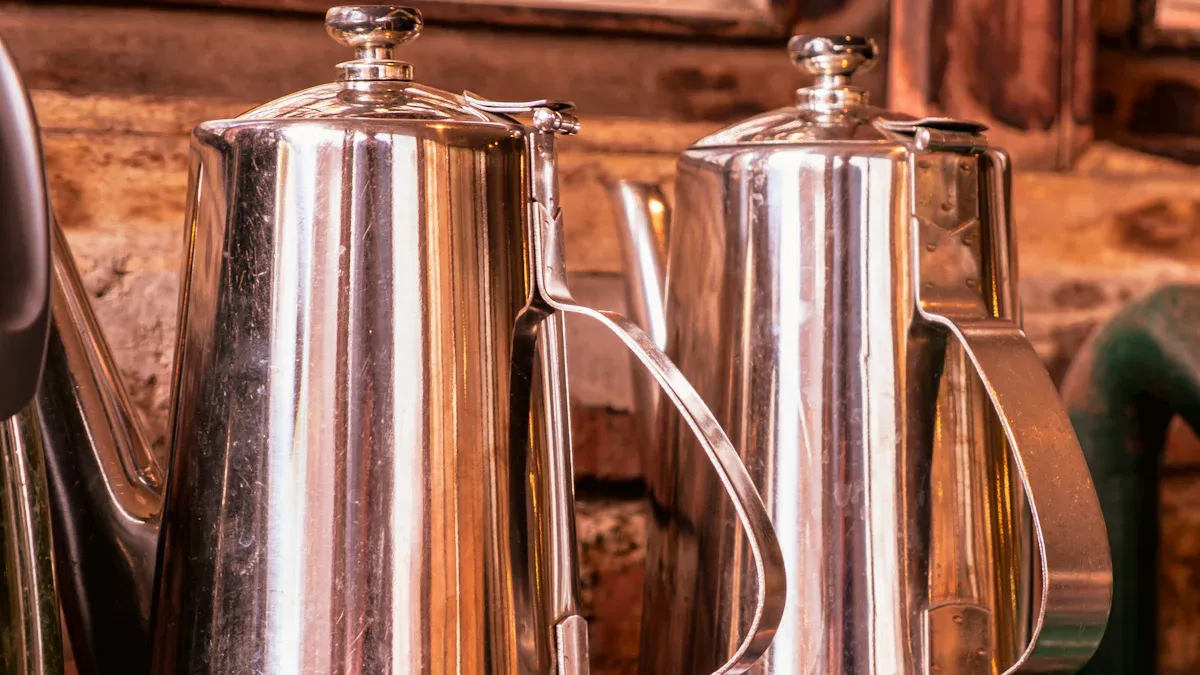
Steel, especially stainless steel, offers exceptional resistance to corrosion. It naturally forms a passive chromium oxide layer on its surface. This protective layer actively shields the metal from rust and degradation. Water, acidic beverages, and other liquids do not easily compromise its integrity. This inherent property ensures the spout maintains its hygienic quality and aesthetic appeal for many years, preventing unsightly stains and material breakdown.
High Mechanical Strength
Steel possesses remarkable mechanical strength. This robust material effectively resists dents, scratches, and deformation from daily handling and accidental impacts. It withstands drops and bumps without compromising its structure. The spout consistently retains its original shape and functionality. This superior strength contributes significantly to the teapot’s overall longevity and reliable performance. Strong arm emoji
Stability Under Thermal Cycling
Teapot spouts endure frequent thermal cycling, experiencing rapid heating and cooling. Steel exhibits excellent stability during these temperature fluctuations. It expands and contracts minimally compared to other materials. This characteristic prevents the development of thermal stress and micro-cracks over time. The material consistently maintains its structural integrity, ensuring long-term reliability even with repeated use.
Ease of Cleaning for Longevity
Steel features a smooth, non-porous surface. This design makes cleaning effortless and highly effective. It naturally resists staining and inhibits bacterial growth, promoting better hygiene. Users can easily maintain its pristine condition with simple cleaning methods, avoiding harsh chemicals. This ease of maintenance directly contributes to the spout’s extended lifespan and continued optimal performance.
Direct Durability Comparison: Aluminum vs. Steel
Corrosion Longevity
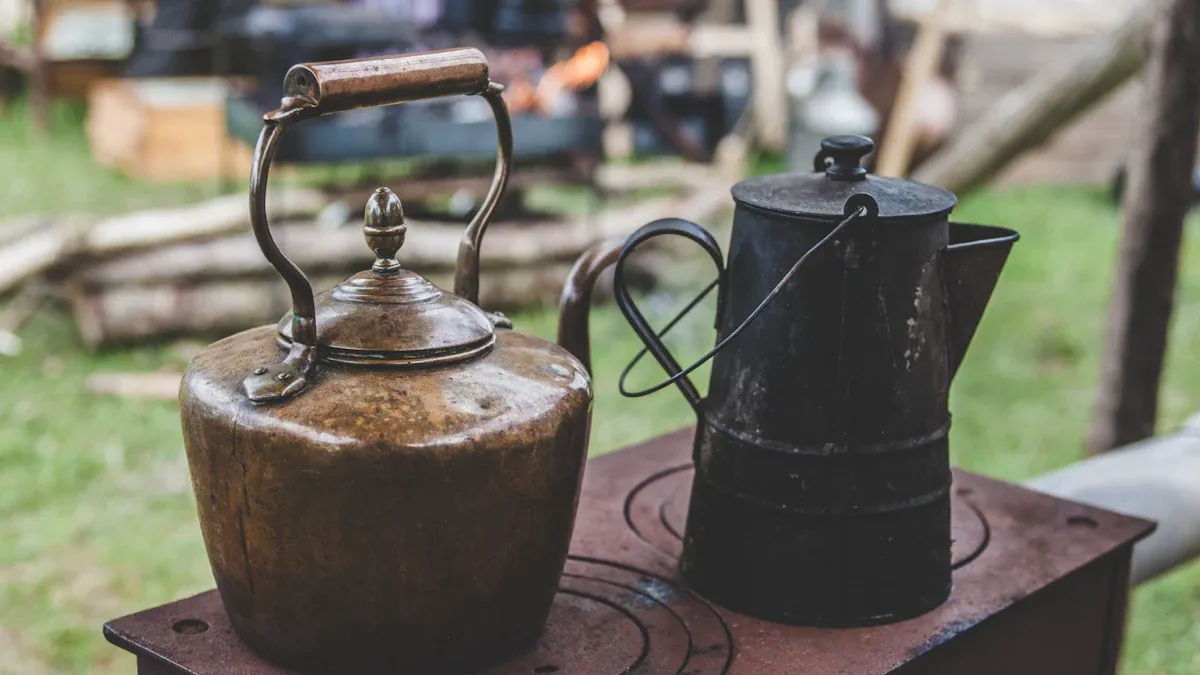
Steel, particularly stainless steel, demonstrates superior corrosion longevity compared to aluminum. Stainless steel forms a passive chromium oxide layer. This layer actively protects the metal from rust and degradation. It resists water, heat, and various liquids effectively over extended periods. Aluminum, conversely, develops a natural oxide layer. This layer offers some protection, but it can break down. This breakdown makes aluminum susceptible to oxidation and pitting, especially with prolonged exposure to moisture or certain chemicals. Over time, an Aluminum Teapot Spout shows more signs of surface degradation and potential structural weakening due to corrosion.
Impact Resistance
Steel significantly outperforms aluminum in impact resistance. Steel possesses high mechanical strength. It withstands physical impacts, such as accidental drops or bumps, without easily deforming. Steel spouts maintain their original shape and integrity even after considerable force. Aluminum, being a softer metal, is more vulnerable to physical damage. It dents, scratches, and bends with relative ease. A minor impact that leaves a steel spout unscathed often causes noticeable damage to an aluminum one. This difference directly affects the spout’s appearance and functionality over its lifespan.
Heat Cycling Performance
Steel exhibits greater stability under repeated thermal cycling than aluminum. Teapot spouts frequently experience rapid heating and cooling. Steel’s molecular structure allows it to expand and contract minimally during these temperature changes. This stability prevents the accumulation of thermal stress. It also reduces the risk of micro-cracks or material fatigue over time. Aluminum, however, undergoes more significant expansion and contraction. This repeated stress can weaken its structure. Over many heating and cooling cycles, aluminum spouts may show signs of material fatigue or structural compromise sooner than steel spouts.
Overall Lifespan Expectancy
Considering corrosion longevity, impact resistance, and heat cycling performance, steel spouts generally offer a significantly longer overall lifespan. Steel’s inherent strength and superior resistance to environmental factors ensure its structural integrity and aesthetic appeal endure for many years. It requires less intensive maintenance to prevent degradation. Aluminum spouts, while initially cost-effective, often succumb to corrosion, dents, and thermal fatigue more quickly. This leads to a shorter functional and aesthetic life. For long-term durability and consistent performance, steel proves to be the more reliable material choice.
Choosing the Right Spout for Durability
Usage Frequency and Environment
Consider the teapot’s intended use. A teapot used daily in a busy household or commercial setting requires maximum durability. Such environments expose spouts to frequent handling, potential bumps, and constant thermal cycling. Steel spouts excel in these demanding conditions. For occasional use or in a gentler environment, an aluminum spout might suffice. Its lighter weight offers convenience for less frequent brewing. Assess the daily demands on the teapot before making a choice.
Budget vs. Longevity
Initial cost often influences purchasing decisions. Aluminum spouts typically present a lower upfront price. This makes them attractive for budget-conscious buyers. However, steel spouts, particularly stainless steel, offer superior longevity. They resist corrosion and damage for many years. Investing in a steel spout often saves money in the long run. It reduces the need for frequent replacements. Evaluate the balance between immediate savings and extended product life. Money bag emoji
Maintenance Habits
Your cleaning routine impacts spout durability. Steel spouts are remarkably easy to clean. Their smooth, non-porous surface resists stains and buildup. They tolerate various cleaning methods without damage. Aluminum spouts require more careful maintenance. Harsh abrasives or acidic cleaners can damage their surface. This makes them vulnerable to oxidation and pitting. Choose a spout material that aligns with your willingness to perform specific cleaning tasks. Opt for steel if you prefer minimal maintenance. Sparkles emoji
Stainless steel consistently proves the more durable material for teapot spouts. Its robust construction resists dents, scratches, and corrosion. This superior durability ensures the teapot maintains functionality and appearance over time. Steel withstands frequent use and thermal stress, offering a longer lifespan and better performance for your teapot. It also remains non-reactive, preserving tea flavors.
FAQ
Can an aluminum teapot spout affect tea flavor?
Yes, acidic beverages can degrade aluminum. This degradation may release compounds, potentially causing a metallic taste in your tea. Teacup emoji
Why does steel offer superior durability for teapot spouts?
Steel resists corrosion, dents, and thermal stress better. This inherent strength ensures a longer lifespan and consistent performance. Strong arm emoji
Is a steel teapot spout more difficult to maintain than an aluminum one?
No, steel spouts are easier to clean. Their smooth, non-porous surface resists stains and inhibits bacterial growth effectively. Sparkles emoji
Post time: Dec-17-2025