Introduction to Full Induction Aluminum Cookware
Full induction bottom aluminum cookware combines the excellent heat conductivity of aluminum with the efficiency of induction cooking. Unlike traditional aluminum pots and pans that don’t work on induction hobs, these specially engineered cookware items feature a construction that makes them compatible with electromagnetic induction technology.
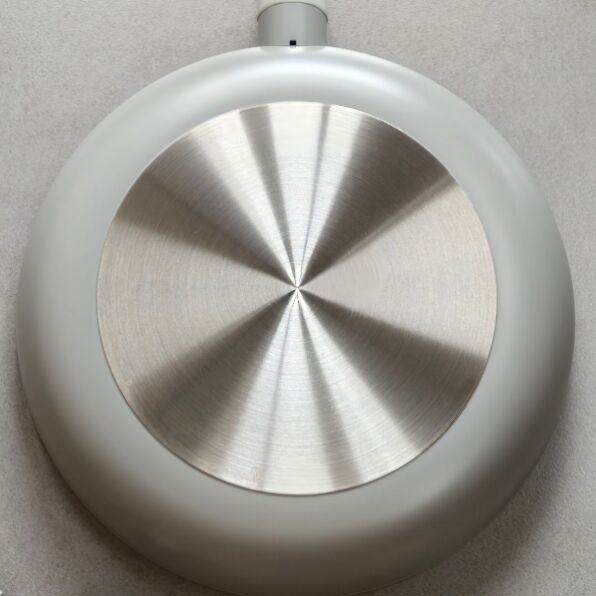
Production Process for Full Induction Aluminum Cookware
1. Material Selection and Design
- Aluminum Body: Typically uses high-quality aluminum alloys (like 3003 or 3004) for optimal heat conduction
- Magnetic Layer: Incorporates ferromagnetic materials such as:
- Carbon steel plate
- Magnetic stainless steel (430 grade)
- Multi-layer clad composites
2. Manufacturing Methods
A. Clad/Bonded Bottom Construction
- A separate magnetic steel plate is bonded to the aluminum body
- Methods include:
- High-pressure mechanical bonding: Using extreme pressure to fuse layers
- Explosion bonding: Less common but creates strong metallurgical bonds
- Roll bonding: For multi-layer sheets before forming
B. Encapsulated Bottom Construction
- Magnetic material is encapsulated within aluminum during casting
- Common for die-cast aluminum cookware
- Creates seamless integration with better heat transfer
C. Multi-Layer Clad Construction
- Entire cookware body made from bonded layers (e.g., stainless steel/aluminum/stainless steel)
- Provides induction compatibility throughout
- Offers superior cooking performance but at higher cost
3. Production Steps
- Material Preparation: Cut aluminum and magnetic layers to specification
- Bonding Process: Join layers using selected bonding method
- Forming: Shape the bonded material into cookware form through stamping or spinning
- Heat Treatment: Annealing to relieve stress and improve durability
- Finishing: Surface treatment, coating application (non-stick, hard-anodizing)
- Quality Control: Induction testing, flatness verification, bonding integrity checks
The Main Problem: Thermal Expansion Mismatch
The Core Challenge
The primary technical problem in producing full induction bottom aluminum cookware is differential thermal expansion between aluminum and the magnetic layer (usually steel or magnetic stainless steel).
Why This Matters:
- Different Expansion Rates
- Aluminum expands approximately twice as much as steel when heated
- Expansion coefficient of aluminum: ~23 × 10⁻⁶/°C
- Expansion coefficient of steel: ~12 × 10⁻⁶/°C
- This creates significant stress at the bonding interface during heating/cooling cycles
- Consequences of Thermal Stress
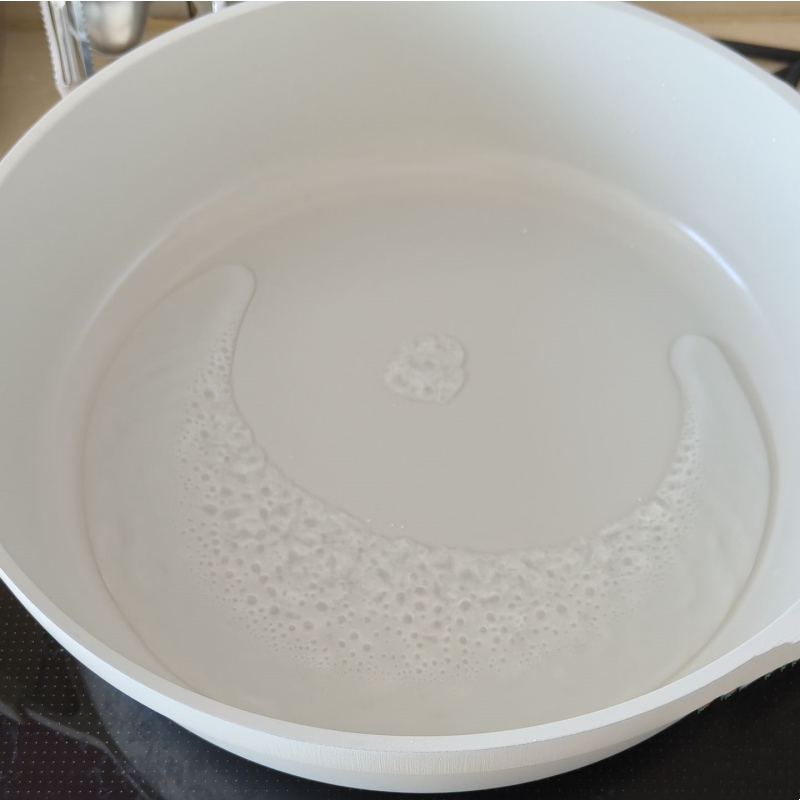
- Warping: Cookware bottom may deform, causing poor contact with induction hob
- Delamination: Bonded layers can separate over time
- Cracking: Especially problematic at edges and corners
- Reduced efficiency: Poor contact leads to uneven heating and energy loss
Additional Manufacturing Challenges
- Bonding Integrity
- Creating a permanent, high-strength bond between dissimilar metals
- Ensuring complete contact without air gaps or impurities
- Maintaining bond strength through repeated thermal cycles
- Heat Distribution
- Achieving uniform heat spread from the magnetic layer to aluminum
- Preventing hot spots where magnetic layer contacts induction hob
- Ensuring efficient vertical heat transfer through the layers
- Durability Concerns
- Galvanic corrosion between dissimilar metals
- Wear resistance of the bonding interface
- Long-term performance under real kitchen conditions
Solutions and Best Practices
1. Engineering Solutions for Thermal Stress
- Intermediate Layers: Using compatible alloys as transition materials
- Special Bonding Techniques: Developing proprietary methods for stress management
- Design Optimization: Incorporating features that accommodate expansion differences
- Controlled Manufacturing Environment: Precise temperature management during production
2. Quality Control Measures
- Non-Destructive Testing: Ultrasound testing for bond integrity
- Thermal Cycle Testing: Simulating years of kitchen use in controlled conditions
- Flatness Verification: Ensuring consistent contact with induction hobs
- Magnetic Flux Testing: Confirming proper induction response
3. Material Innovations
- Advanced Alloys: Developing aluminum alloys with modified expansion properties
- Composite Materials: Creating tailored materials for induction applications
- Surface Treatments: Improving bond strength through surface modification
Market Considerations
Cost Factors
- Production costs are 30-50% higher than conventional aluminum cookware
- Premium pricing reflects the technical complexity
- Higher performance justifies cost for serious cooks
Consumer Expectations
- Demand for lightweight yet induction-compatible cookware
- Expectations of durability comparable to traditional cookware
- Need for clear labeling and performance guarantees
Post time: Jan-28-2026